I am currently an Assistant Professor at Berklee College of Music/Boston Conservatory at Berklee in the department of Liberal Arts and Sciences. Here I teach two courses, Oceanography and Environmental Science. My students are amazing musicians, producers, dancers, and thespians, and teaching them science is such a delight! Read on for my teaching philosophy and details on a few special courses I have taught recently.
My teaching philosophy creates a strong educational foundation for my students by fostering an environment where students can feel comfortable asking questions, and making mistakes, without judgement. I strive to create a classroom that is, as Dr. Leigh Patel writes, “a vibrant trying, failing, learning joint entity”. In both my small and large classes, I incorporate a wide range of pedagogical tools, including traditional lectures, guest lectures, multimedia content, student presentations, discussion of current scientific literature, interpretive dance, and meaningful research experiences in both the lab and the field to reach students with a variety of learning styles. This relaxed learning environment fosters respect, collaboration, and the sharing of ideas between classmates, all of which builds confidence in their abilities. It also has the advantage of encouraging them to move beyond parroting information, and begin feeling comfortable with not knowing everything! These life skills, in addition to providing a deeper understanding of the course content, prepare my students to be more competitive for future careers whether in the sciences or beyond.
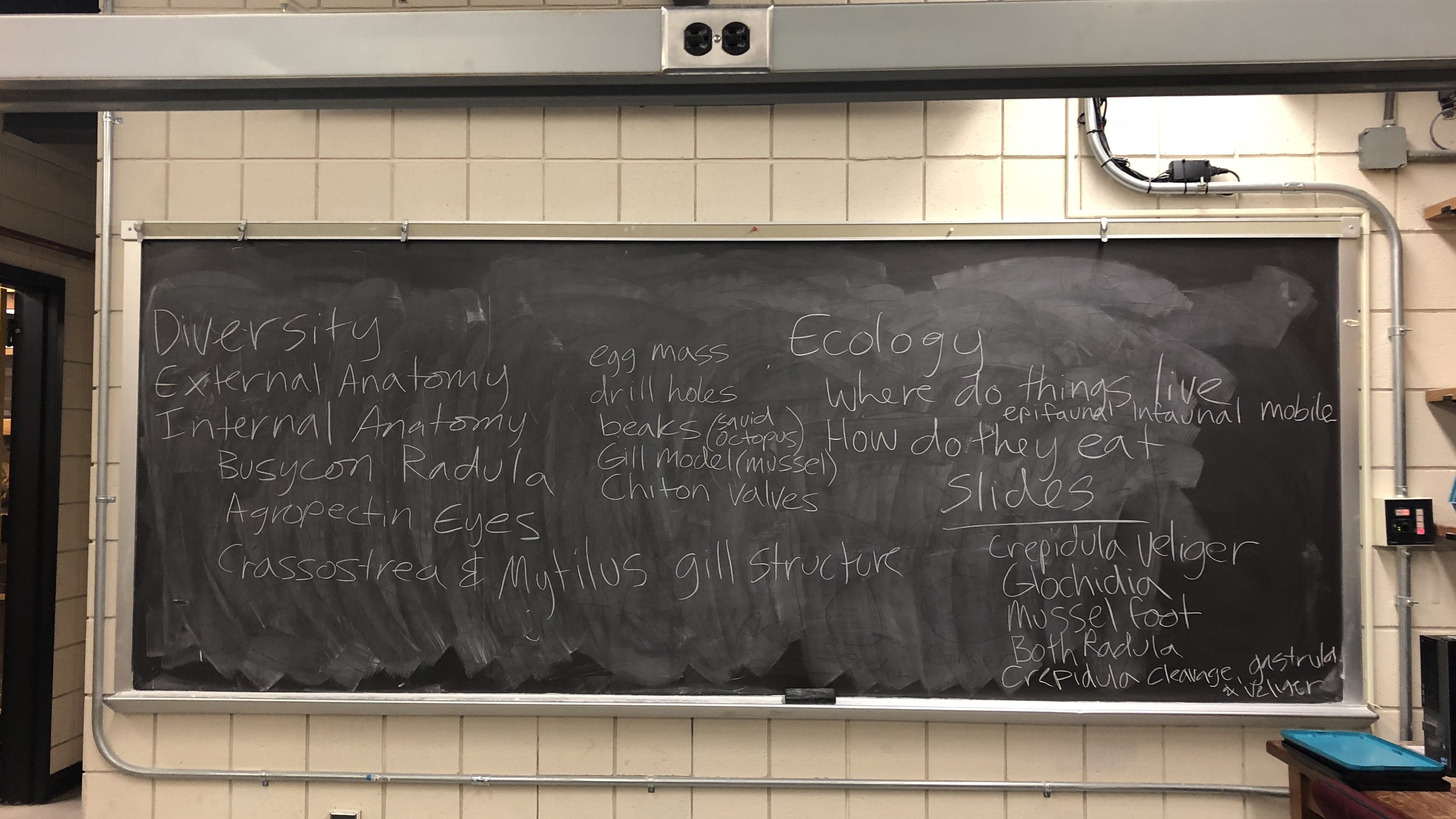
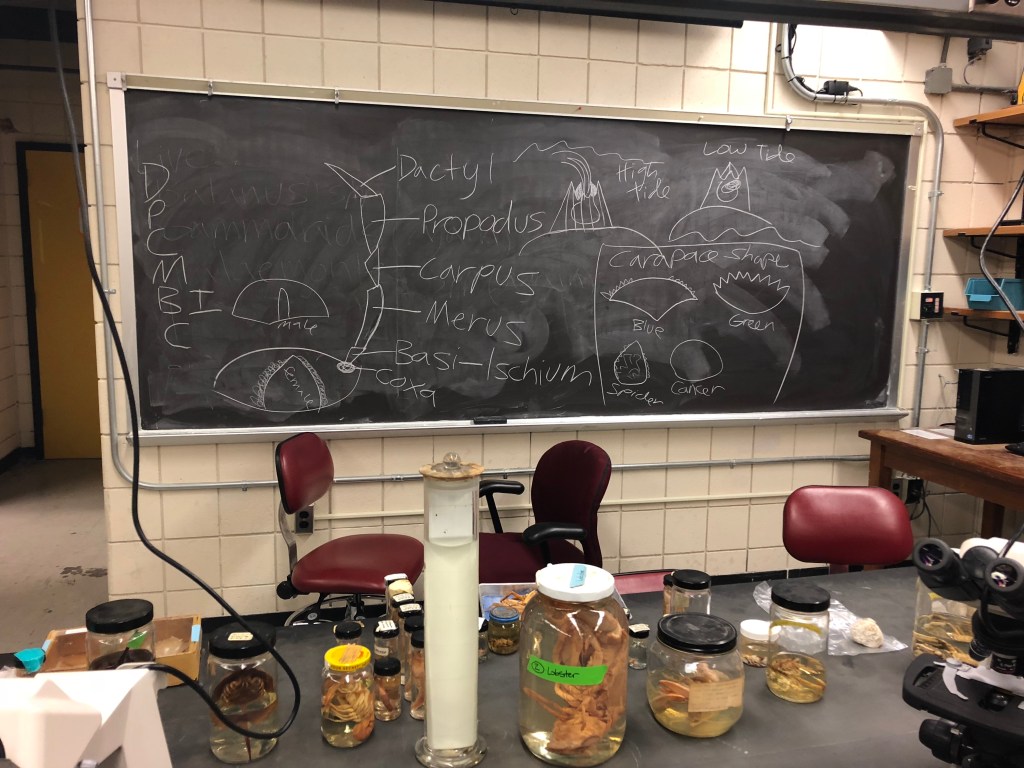
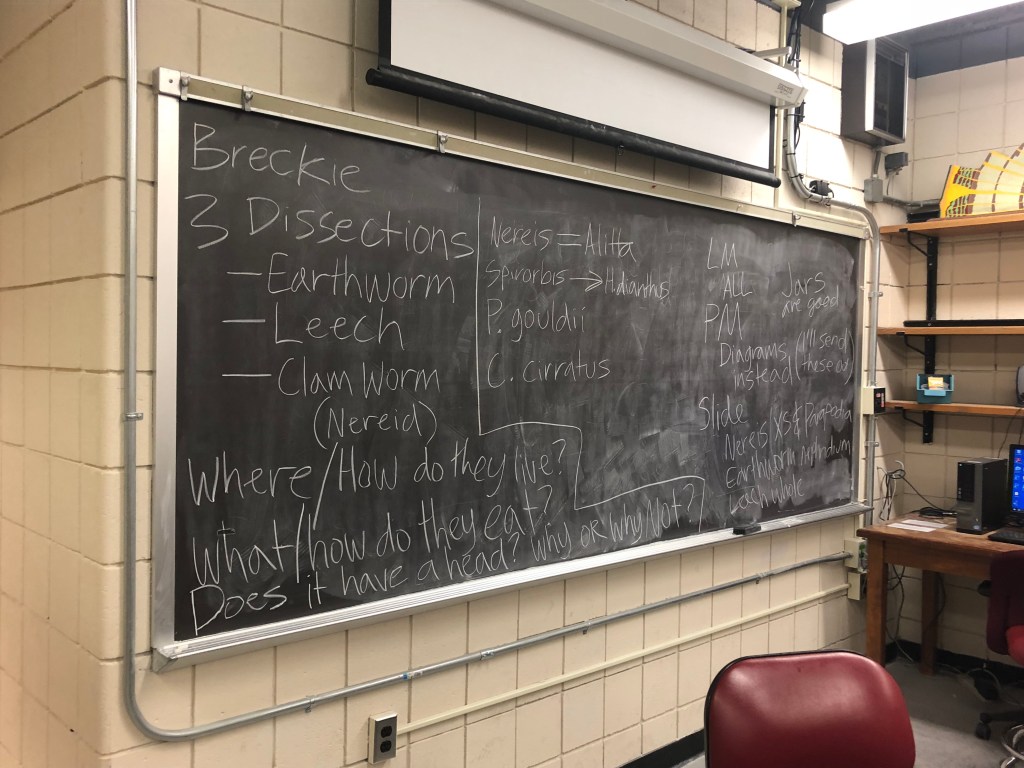
For example, in the most recent course I taught at UMB, the Invertebrate Zoology lab, I did away with homework, prep work, and lab manuals. To my student’s initial horror, grades were assigned based on performance during just a midterm and final exam. However, by not requiring work outside the classroom, apart from exam review, I minimized the effects of external stressors (such as employment obligations, dependency care, long commutes, etc…) from interfering with their individual abilities to learn. Each session was based on what I call “co-discovery”. Students were advised to draw, photograph, or note what they observed. During the last few minutes, we would gather to discuss our findings, which we would record on the chalkboard. As a class we would determine from that day’s work what was “fair game” for me to ask them on exams. Our final meeting before each exam was an in-depth review of our findings and a chance for the students to clarify their notes. Structuring the course this way taught my students accountability so that their learning outcomes directly reflected what they were capable of devoting to the material in the moment.
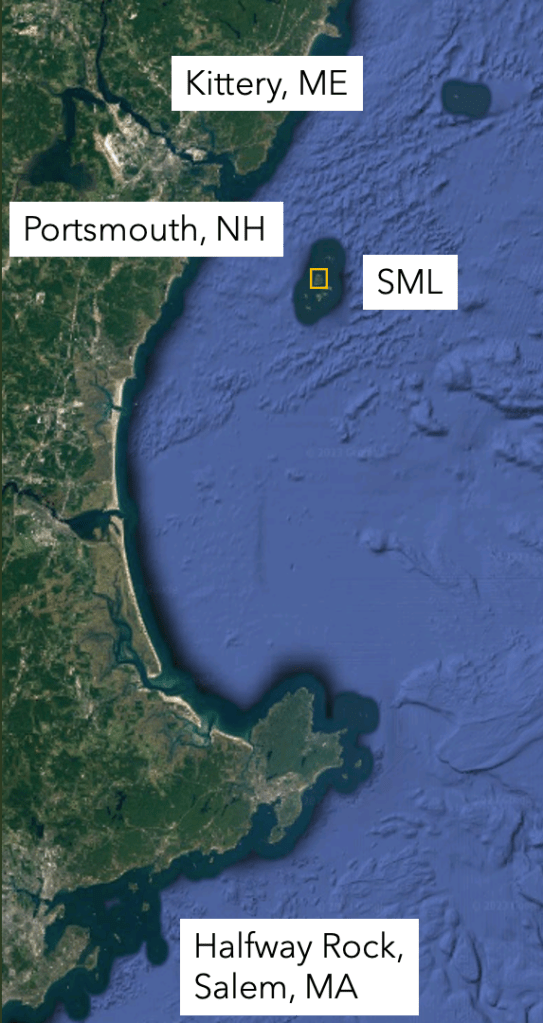
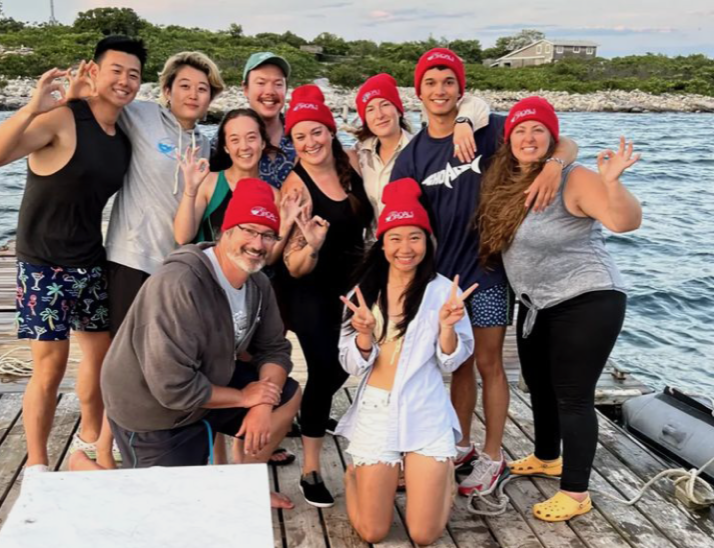
However, without a doubt the most fun I have ever had teaching was the 2022 Underwater Research course at Shoals Marine Lab. This two week intensive field course took place on Appledore Island, ME and involved 12 dives to create newly minted American Academy of Underwater Sciences – Scientific Divers.
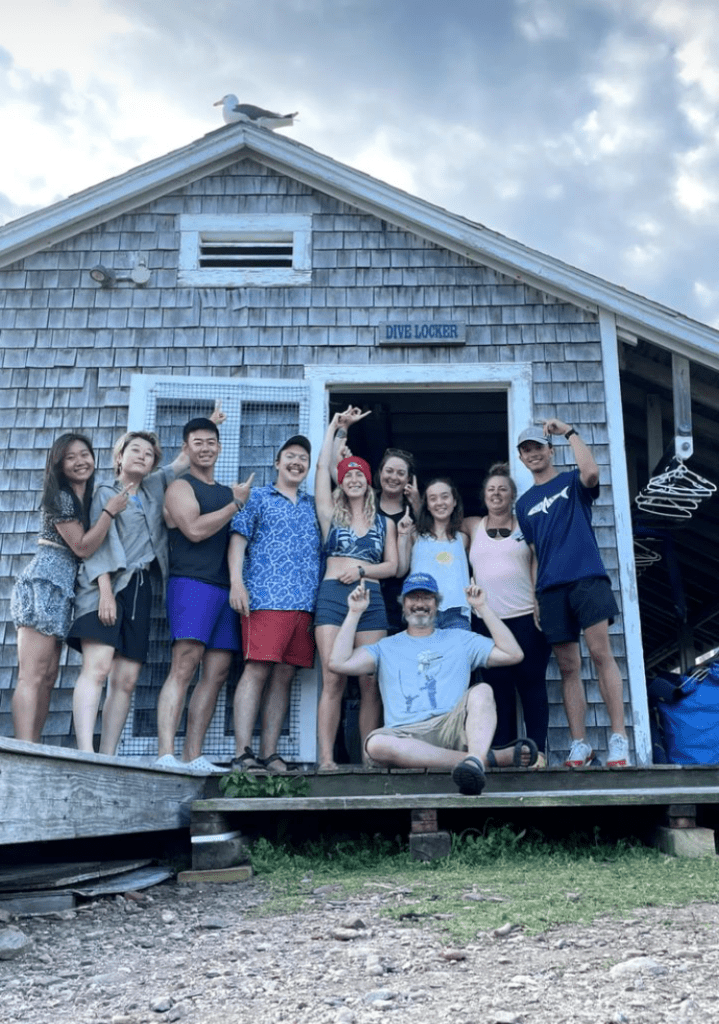
For two weeks, we lived, worked, dodged seagulls, and splashed around the Isle of Shoals, using Appledore Island as our homebase. Dr. Jarrett Byrnes and I arrived a few days before the students to set up shop in Laighton Laboratory, the Dive Locker, and the mysteriously-named floating dock “R/V Fettuccine”.
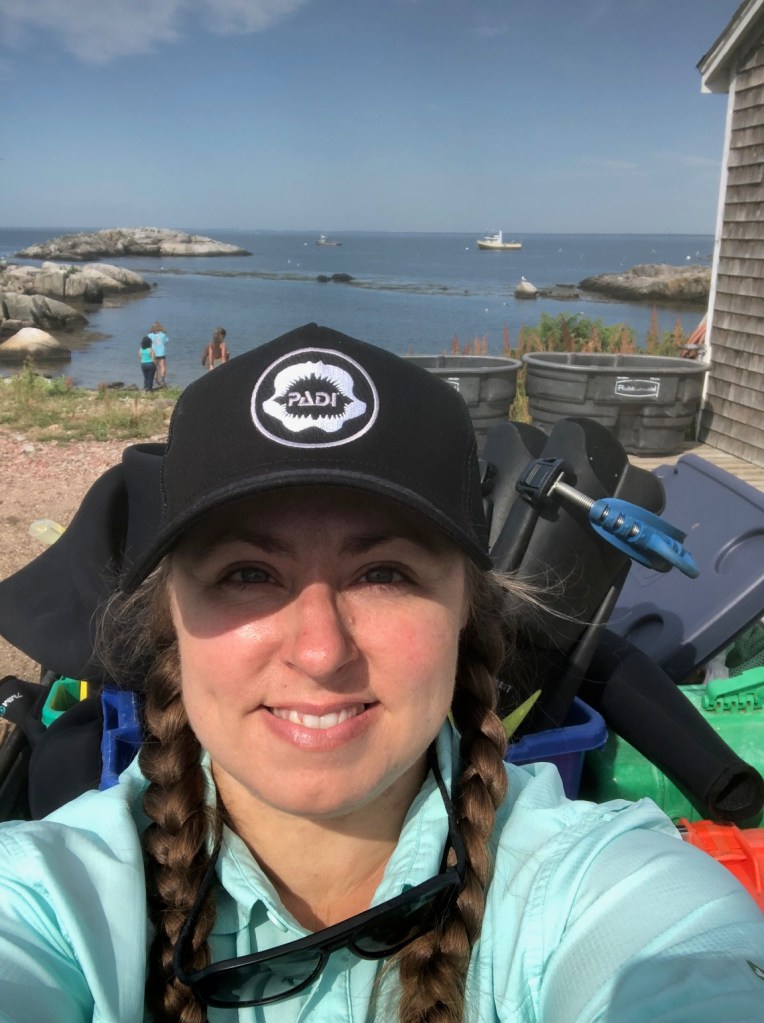
We spent a day diving around our “classroom” so that I could collect my bearings, while also collecting a vast diversity of organisms that our students could use to study in the sea tables as practice for their in-water species identification “Exam Under Pressure”.
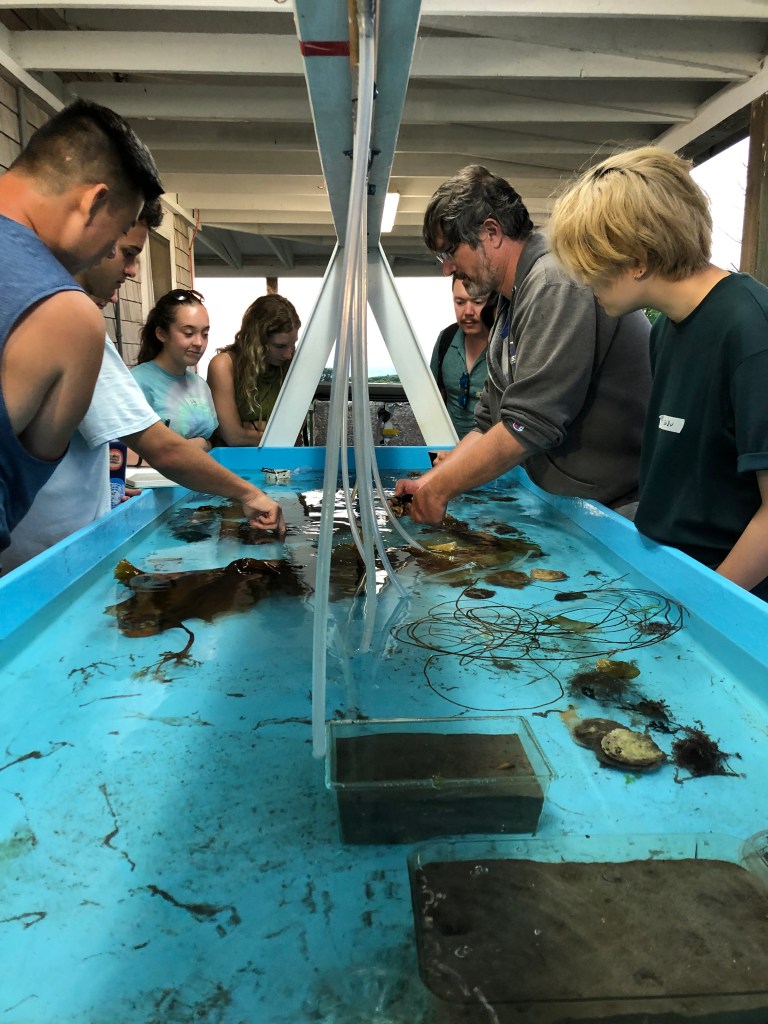
Once the students arrived, we got right to business, making sure everyone had all the SCUBA gear they needed and that everything fit and functioned properly. Diving can be a lot of work, both mentally and physically. Diving at SML is no different. This is not a 5-star dive resort (even if they feed us like it is!).

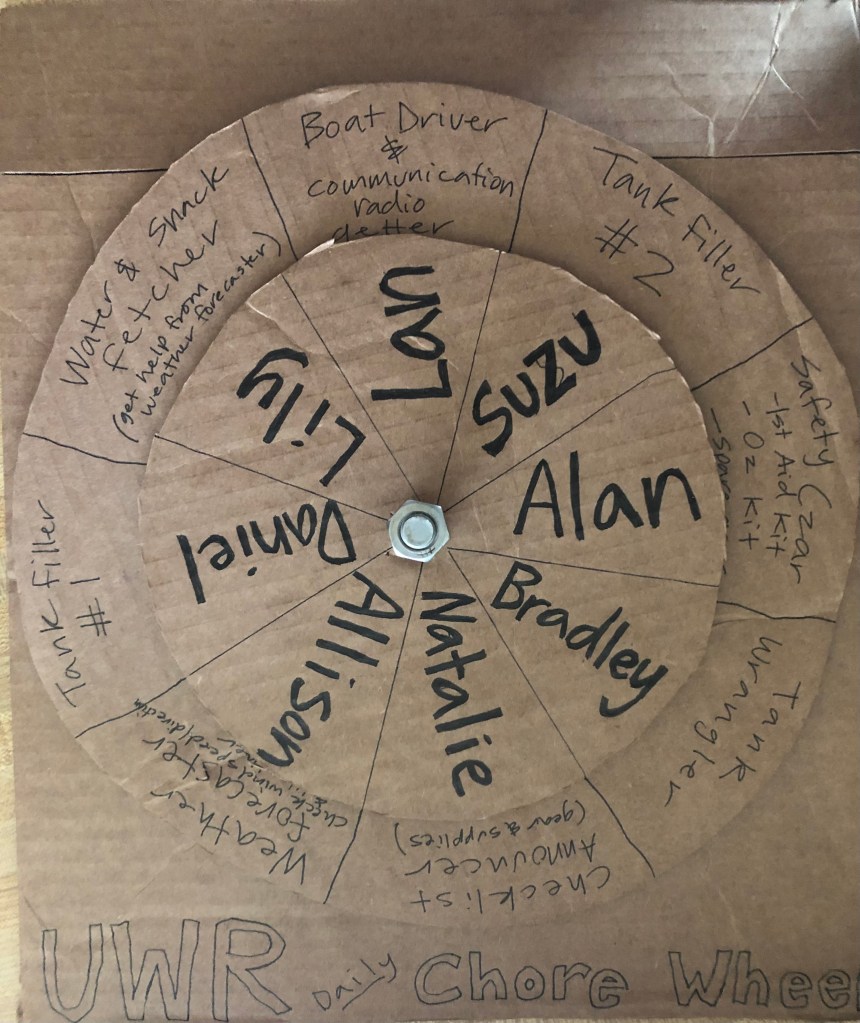
As a collective, we operated by the principle of “many hands make light work” to ensure no bits and pieces, or dive buddies were left behind. We implemented a “chore wheel” to divy up tasks like filing daily dive plans, filling tanks, collecting snacks from the kitchen, etc…This had the added benefit of teaching the students more about the logistics of running a scientific dive operation.
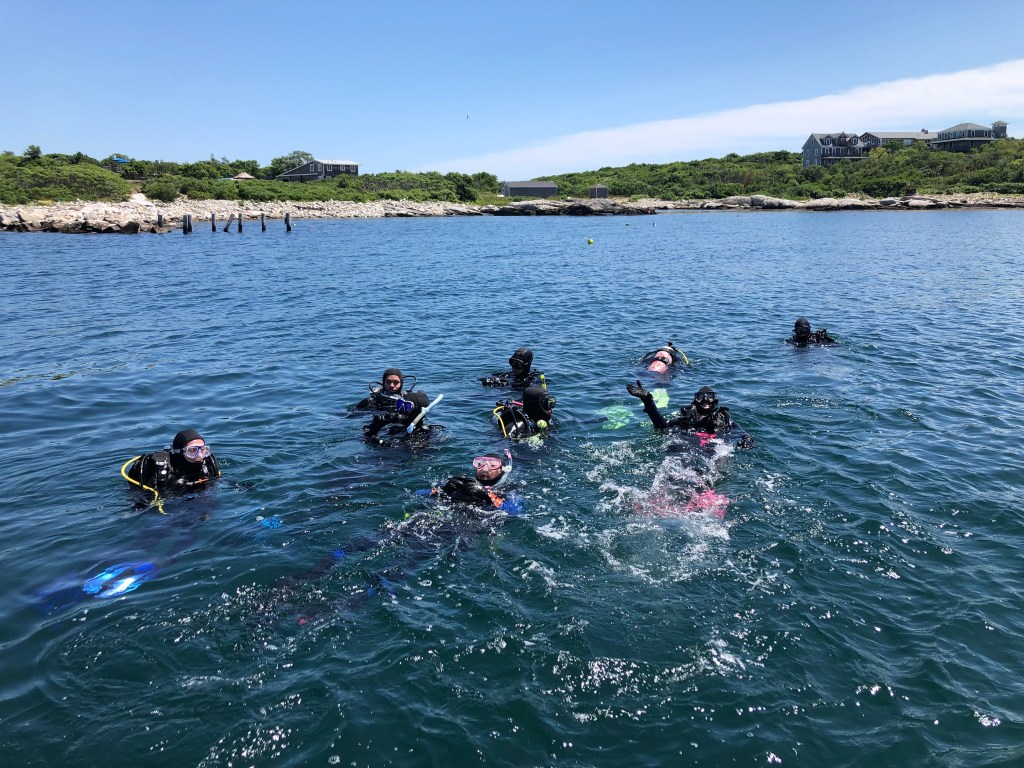
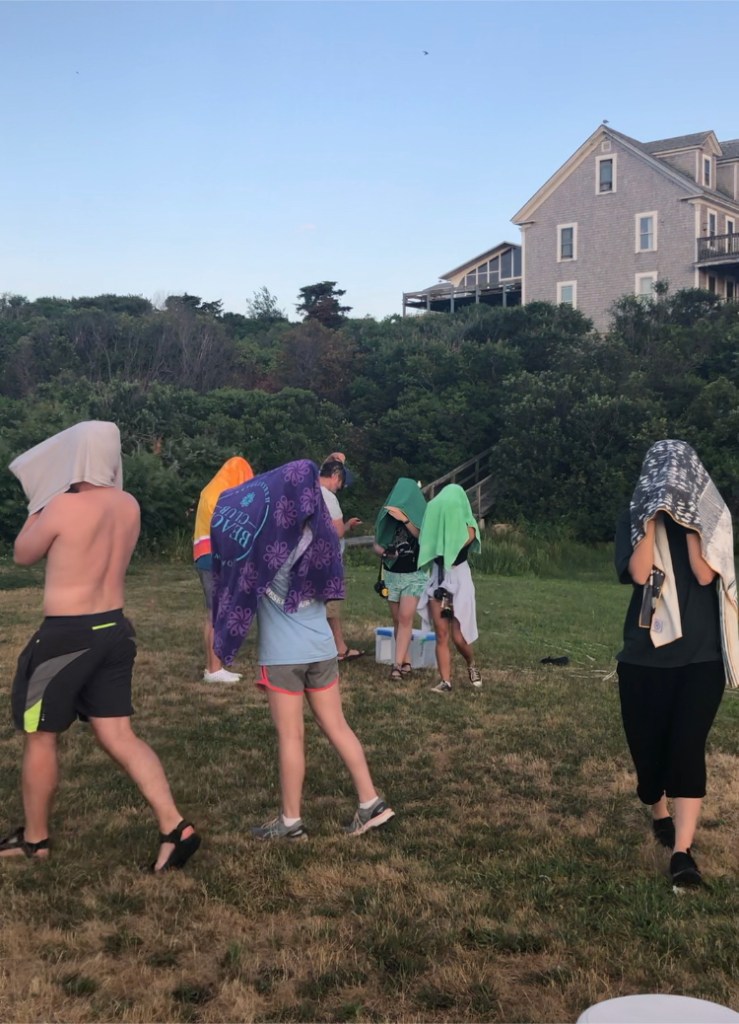
Depending on the weather, we would spend half the day in the water and the other half in the classroom or land-practicing some of the more complicated dive skills, like compass navigation. This was hilarious!
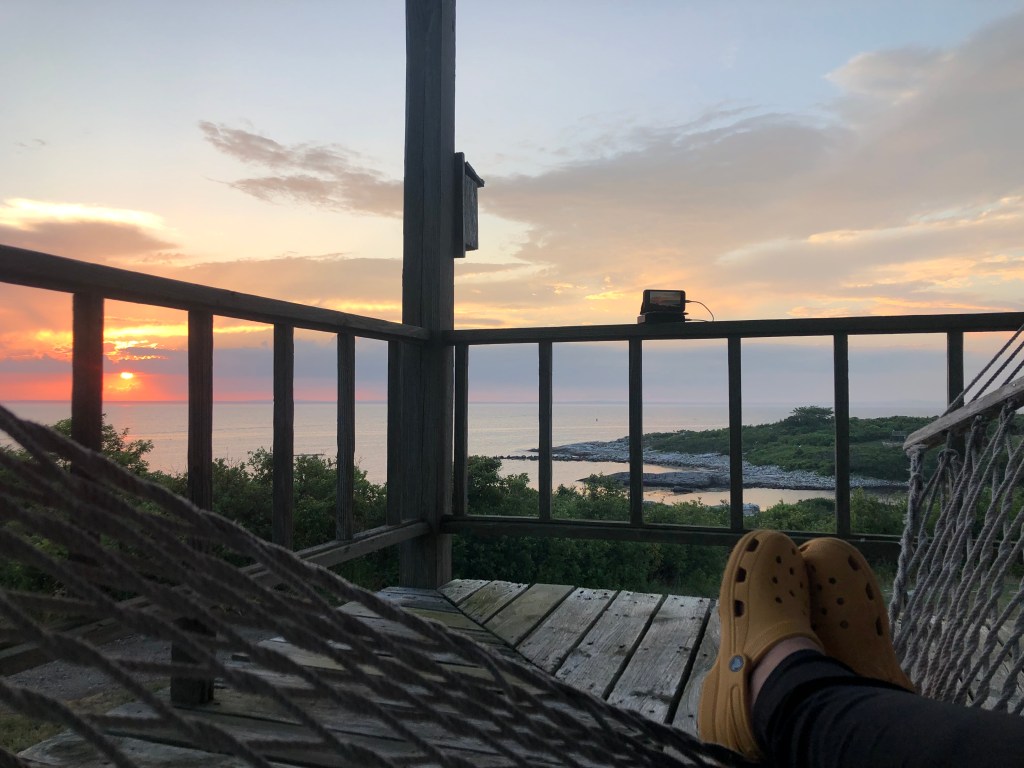
We also made sure to leave room for an occasional Laighton Hammock snooze.
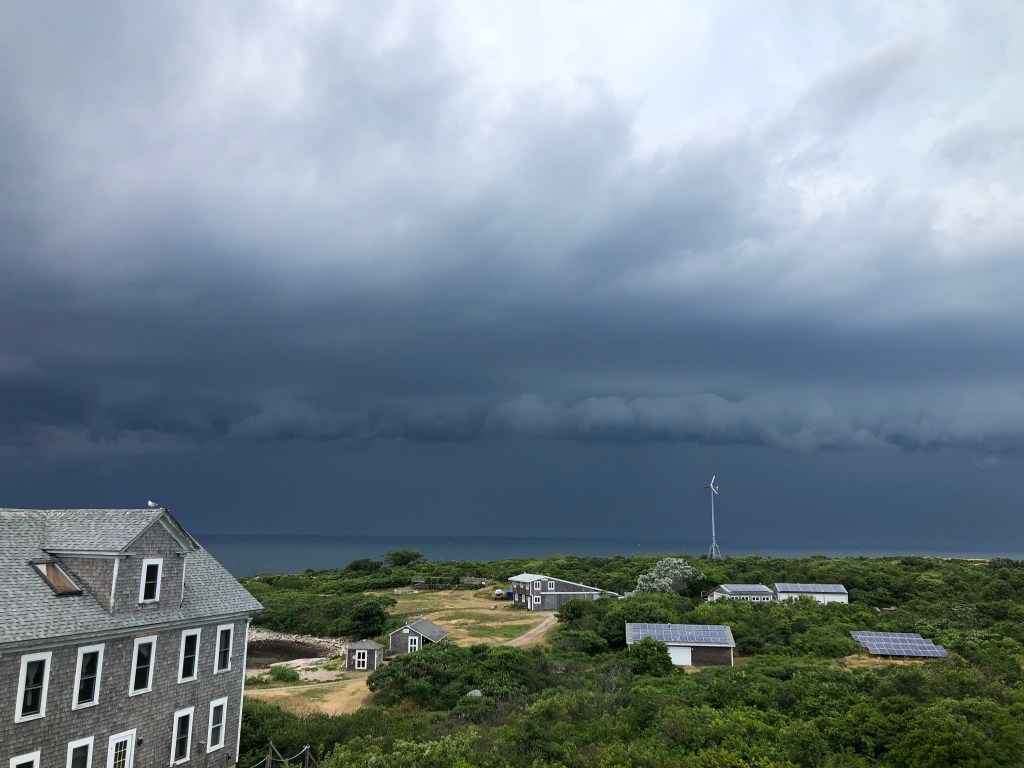
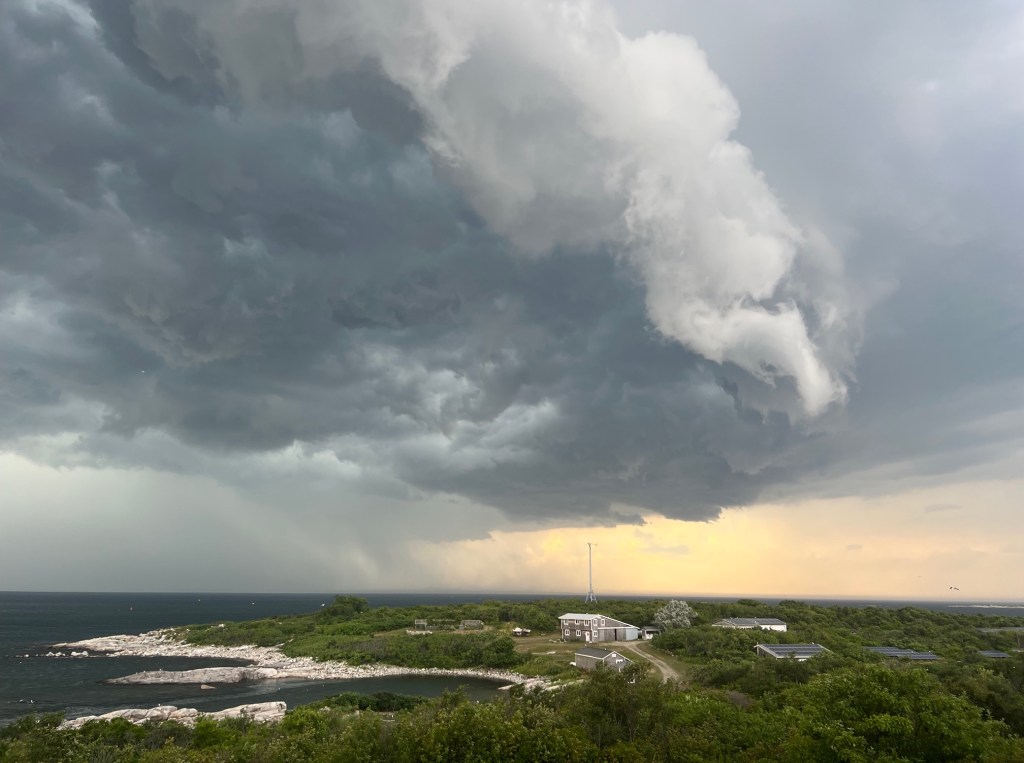
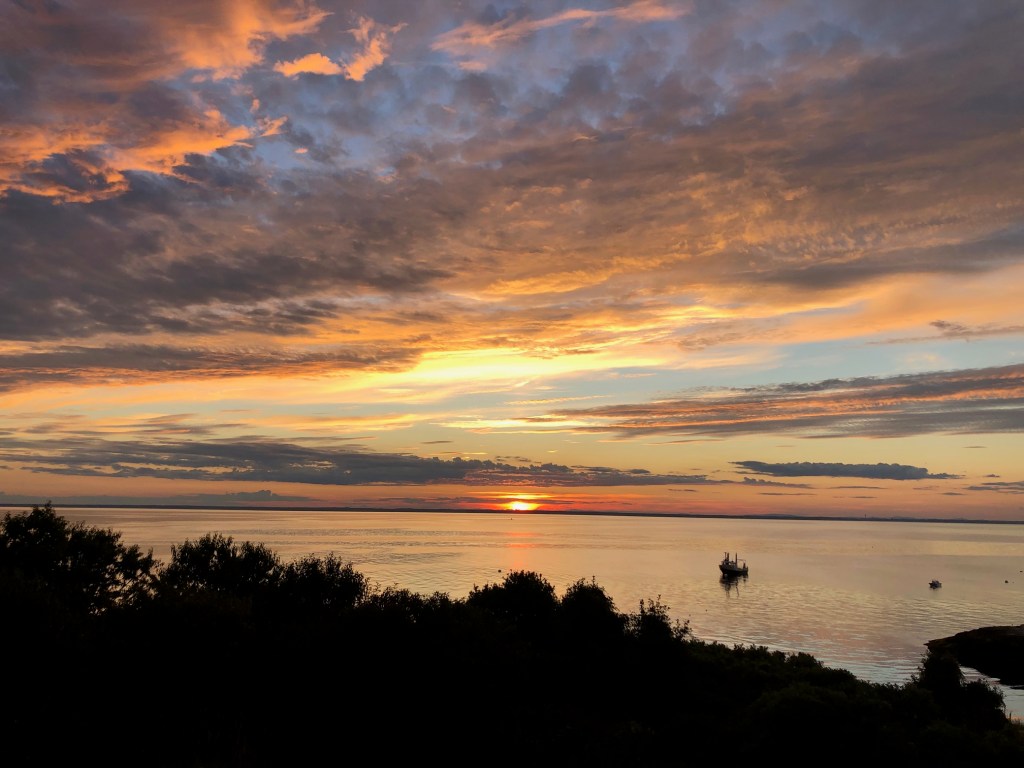
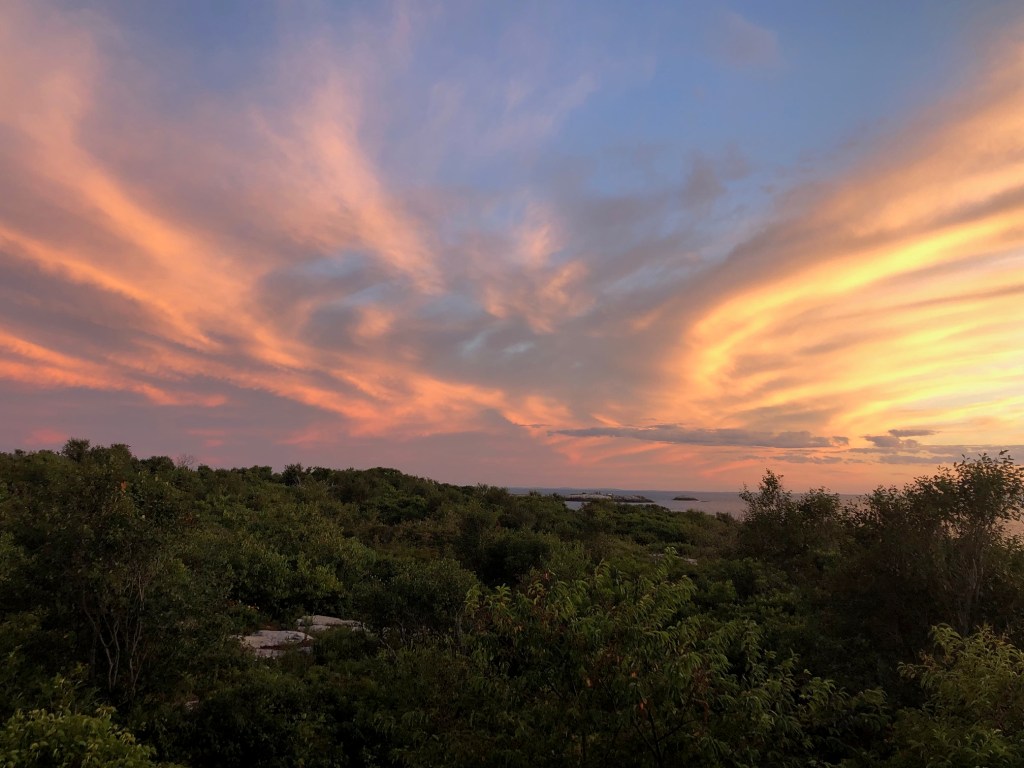
Part of island life (life in general?) involves weathering a few storms, but the views during and after, were always spectacular!
Most of the in-water portion of our course took place in the cove just off of Celia Thaxter’s garden (more details on that here https://www.shoalsmarinelaboratory.org/about/celia-thaxters-garden)
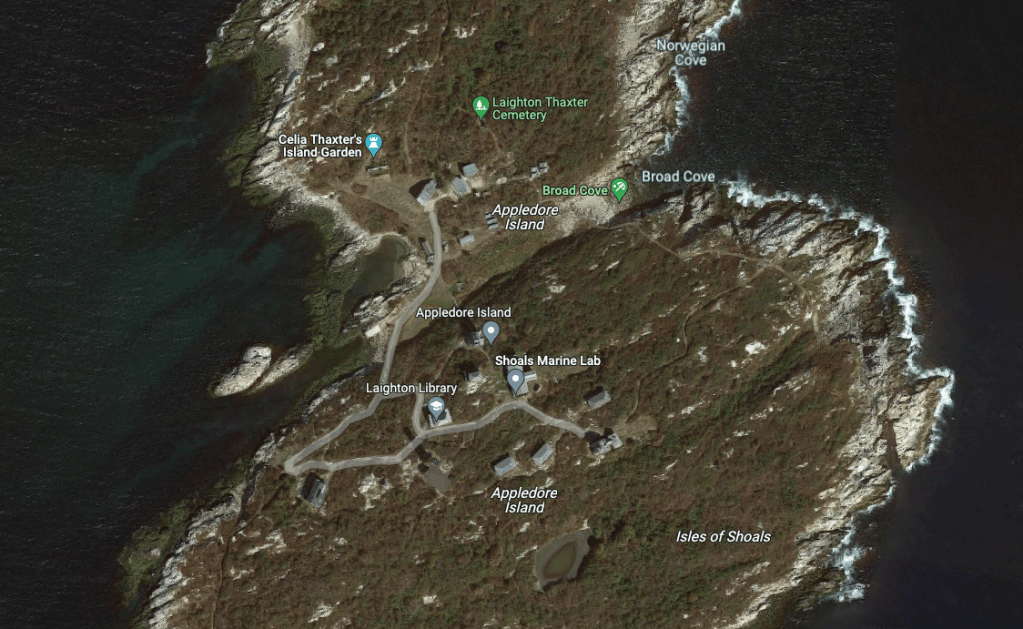
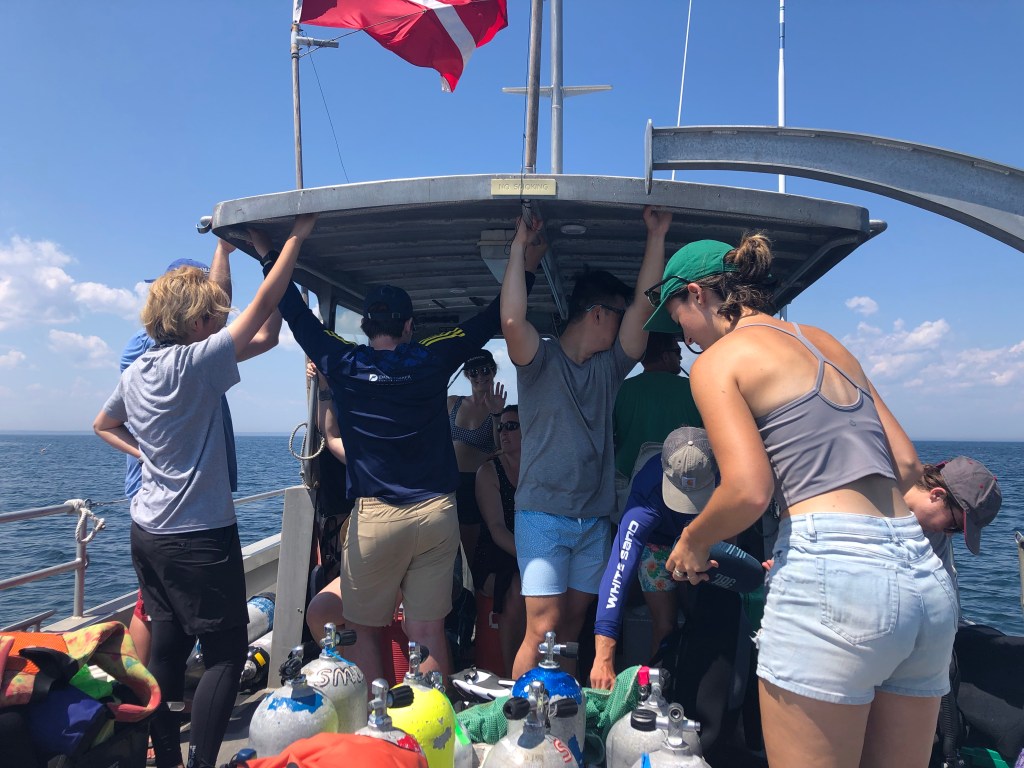
But we made sure to show our students the different underwater habitats found around the southwest, southeast, and northeast of Appledore Island as well. This also gave us the opportunity to get them all some more boat diving experience, courtesy of the R/V John B. Heiser.

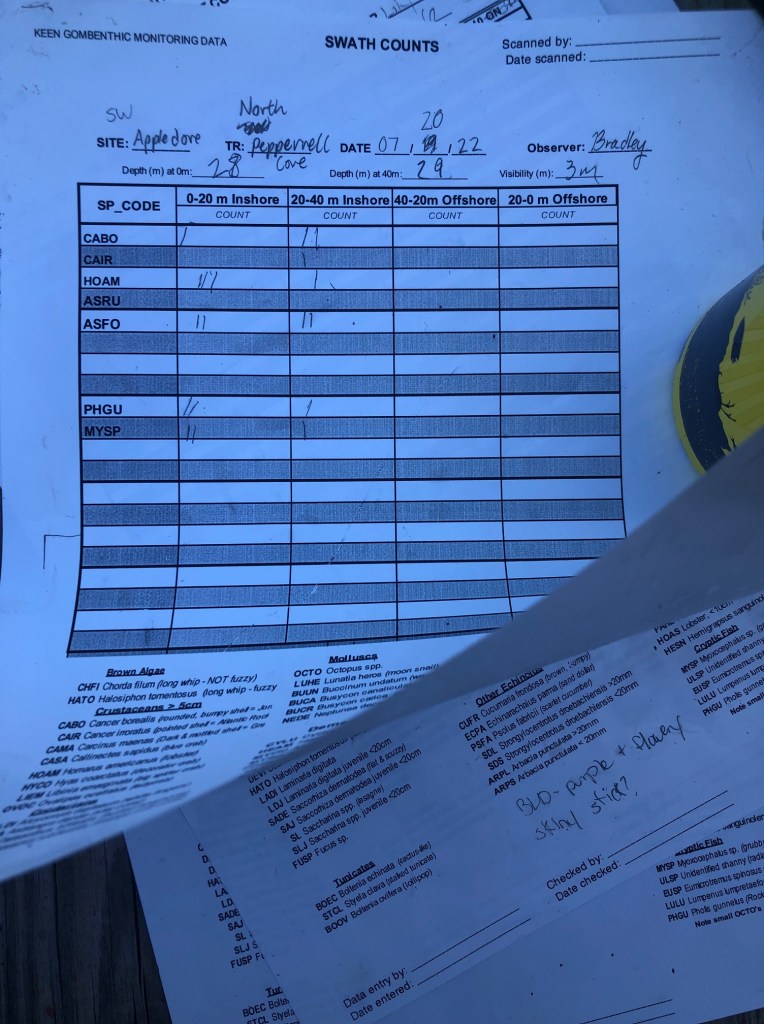
Our students also put their new Scientific Diver skills to use by collecting real data as a part of the Kelp Ecosystem Ecology Network (KEEN, https://www.kelpecosystems.org/)
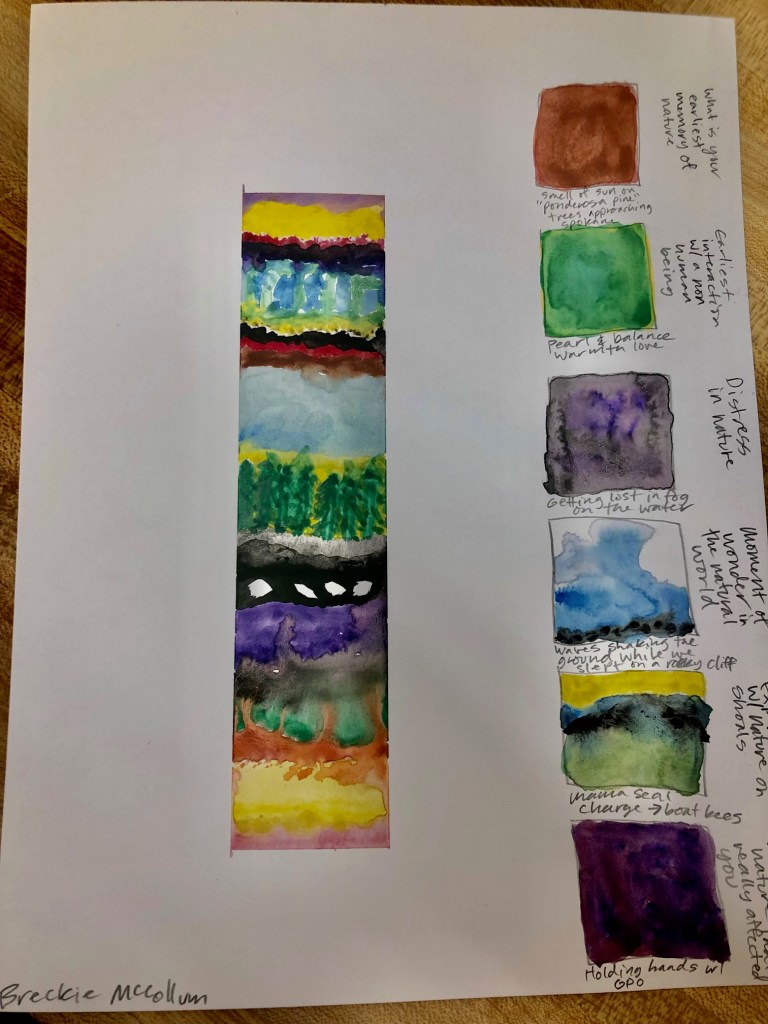
One of the most unique aspects of participating in a course at Shoals Marine Lab is interacting with the Artist-in-Residence. This past year, the AIR was Ashley Eliza Williams (http://aerofauna.com). One evening, she gave us an intro to watercolor painting and lead us to create emotional memory “core samples” telling the story of how we got to be where we were in that moment.
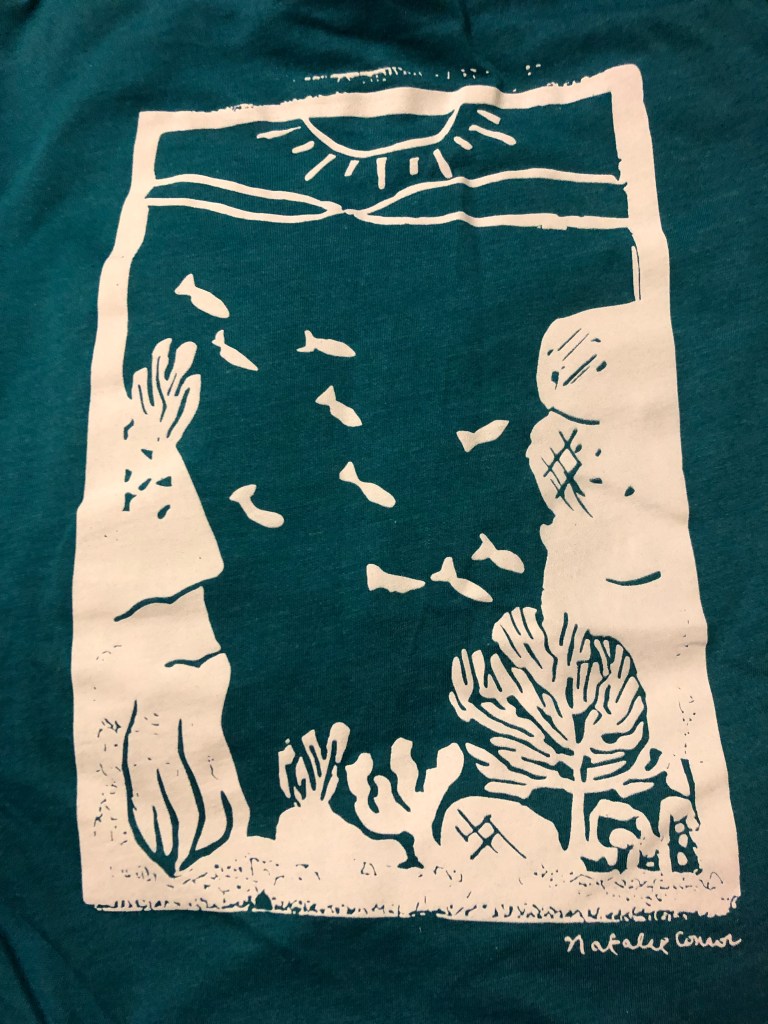
As is customary at Shoals each course designs a t-shirt to remember their experience by. We were lucky to have the super talented Natalie Connor in our class and she created a block print that represented our underwater classroom!
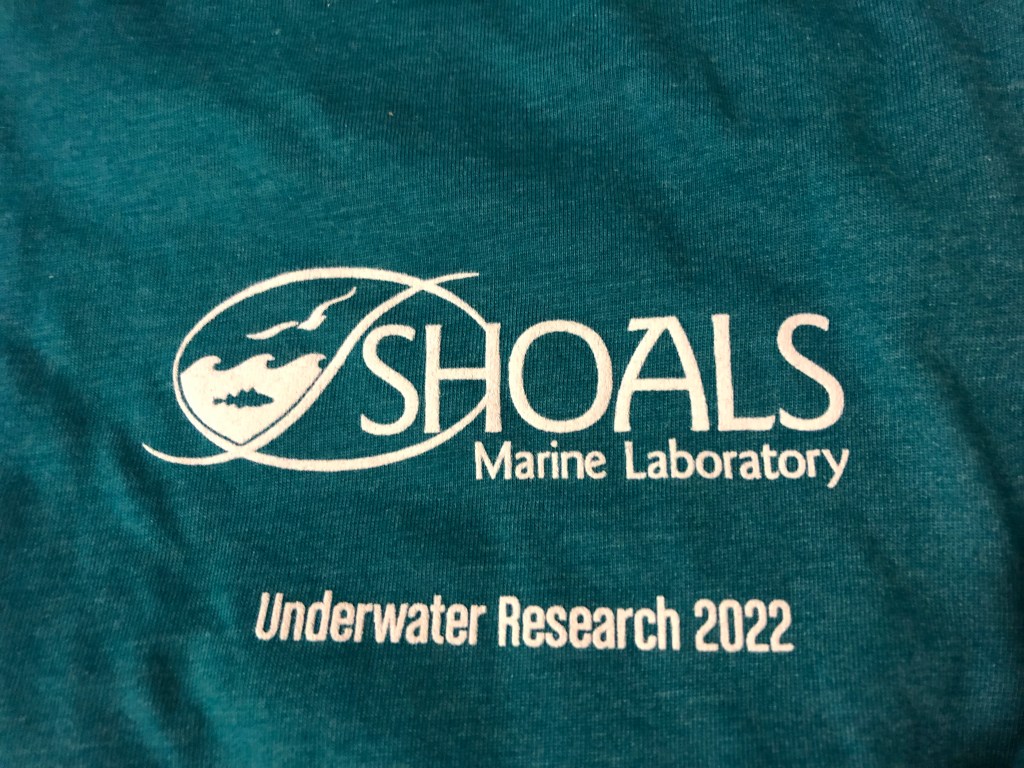
Both field-based courses and marine biological laboratories will forever be near and dear to my heart, and this experience teaching at Shoals only adds to that fondness. So many foundational moments in ones scientific career are fostered through locations and experiences like those had by our students in the Underwater Research Course.

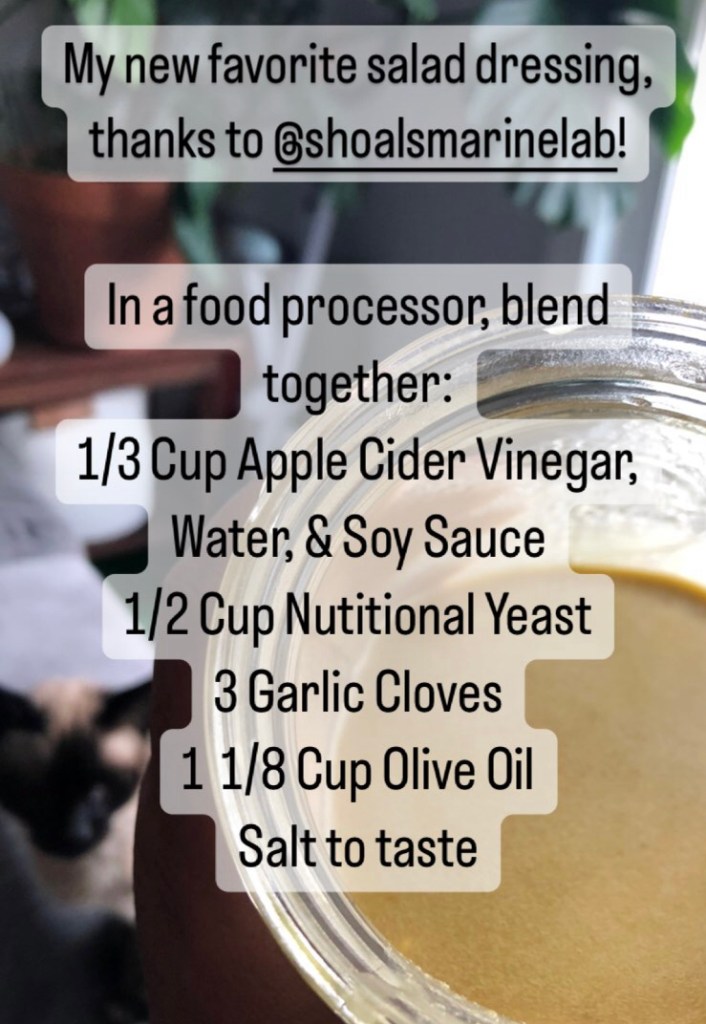
This past summer was my 5th or 6th time at Shoals, and I never leave without some culinary inspiration (like adding ground cardamom to my greek yogurt!), this year was no exception as I could not get enough of their Hollyhock salad dressing. While I let the kitchen staff keep their secrets, I managed to recreate it for myself when I got home. Seriously, no salad greens are safe in my presence while I have this dressing on hand!
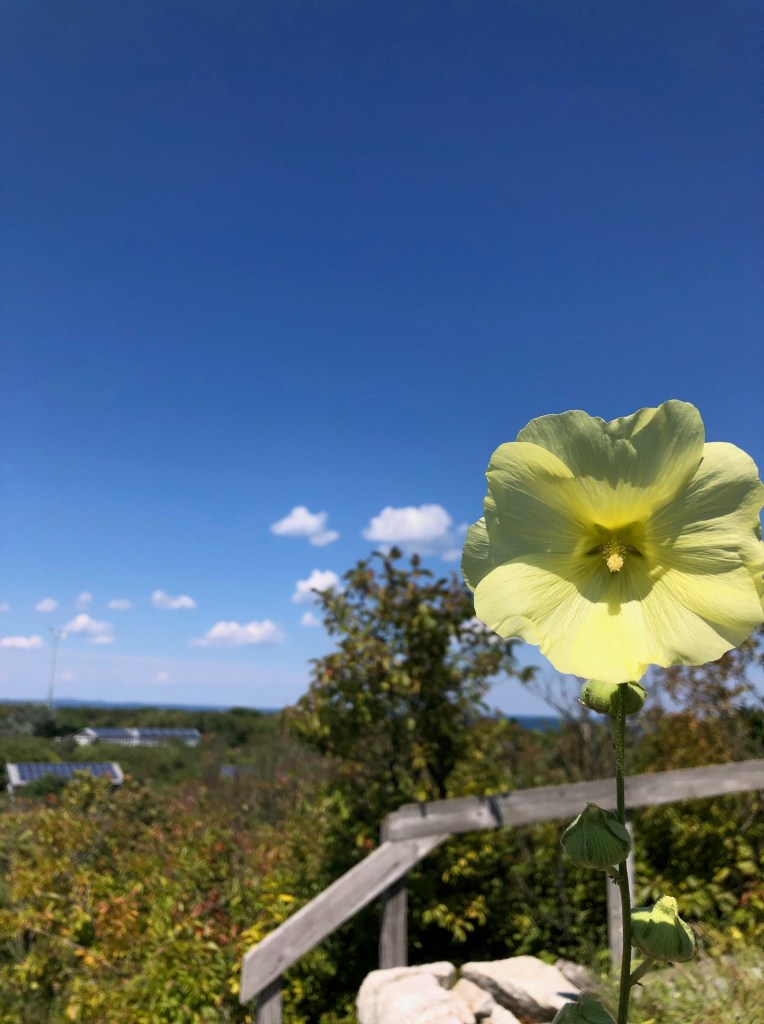
Whether as a student, researcher, or even on a tour of Celia Thaxter’s garden, I hope you all get to experience the magic of Shoals Marine Lab sometime soon!
Check out this blog post by one of our Underwater Research students, Lan Nguyen, who managed to spend the whole summer at SML (and got a marine biology minor in the process!):
https://cals.cornell.edu/news/2022/09/lan-nguyen-23-theres-no-place-shoals
And for more information on classes at SML or how you can be a part of this magical (sustainable) community check out their website here:
https://www.shoalsmarinelaboratory.org/
 Breck Alyssa Mccollum