past and present
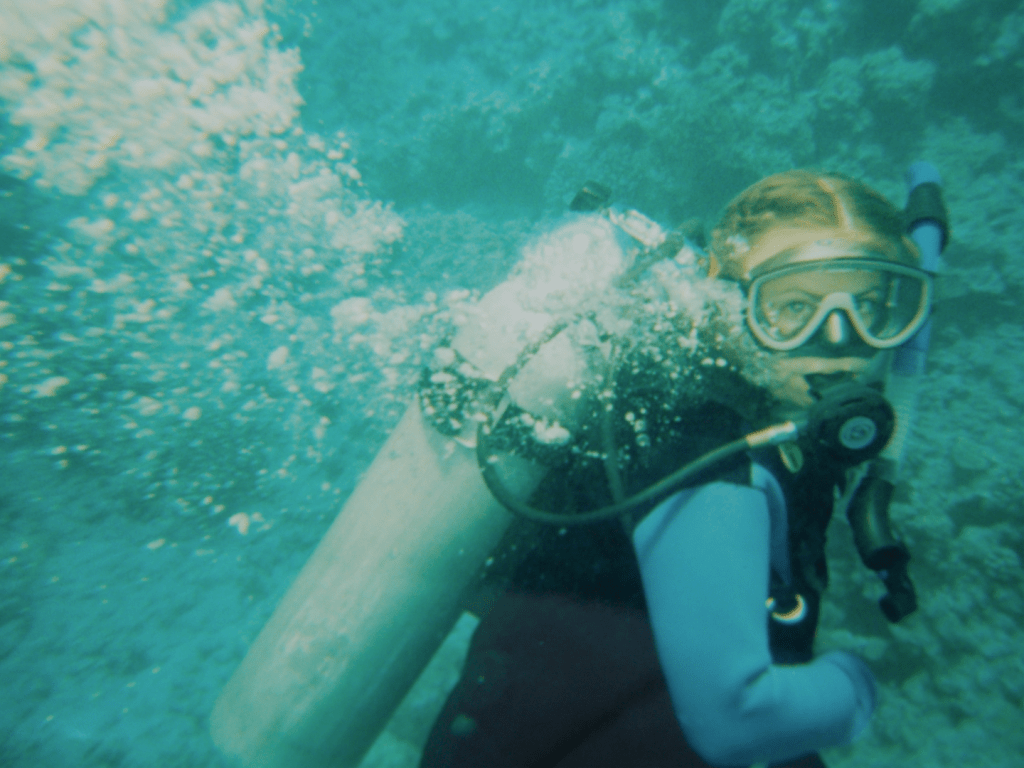
I began my underwater career as a senior in high school, getting my PADI Open Water certification along Alki Beach in West Seattle, WA in 2003. The freedom from gravity that diving allowed, and the wild marine life of Puget Sound, hooked me immediately and hasn’t let go yet! I paid my way through a B.Sc. in Aquatic and Fishery Science at the University of Washington by working at the (now shuttered) local dive shop Bubbles Below.
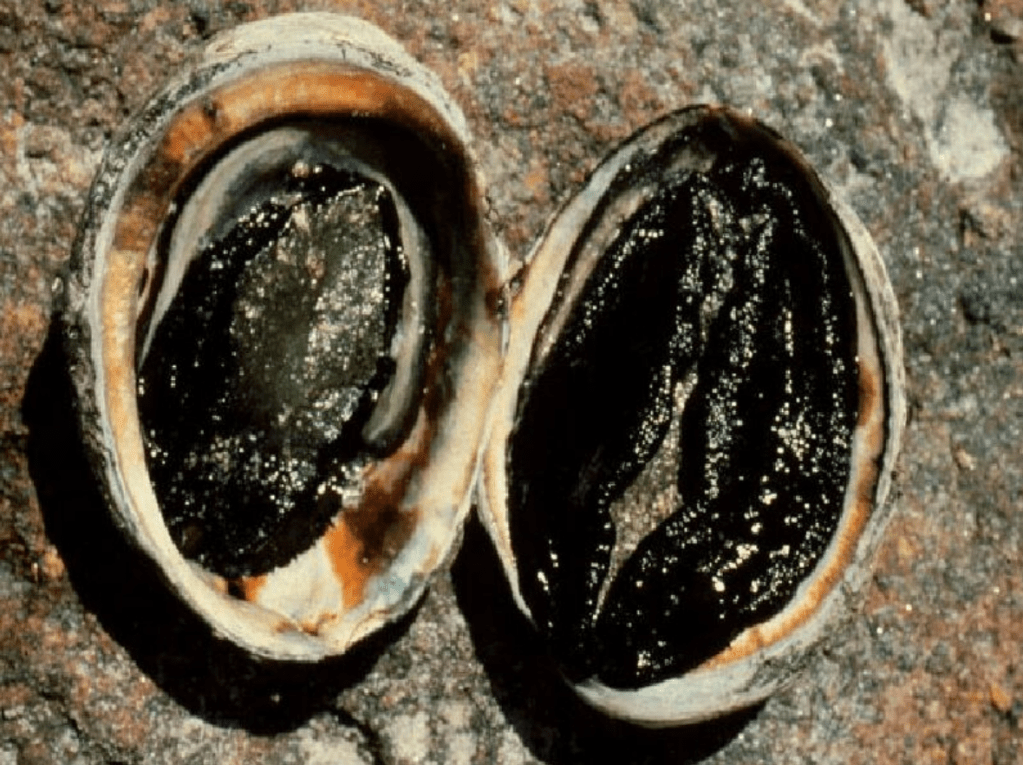
My undergraduate capstone project at UW examined the possibility of resistance to Withering Syndrome by offspring of the critically endangered Haliotis cracherodii (black abalone) that had survived previous outbreaks of the disease.
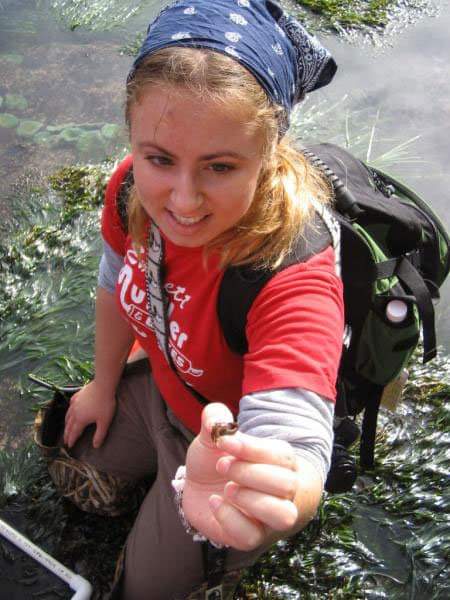
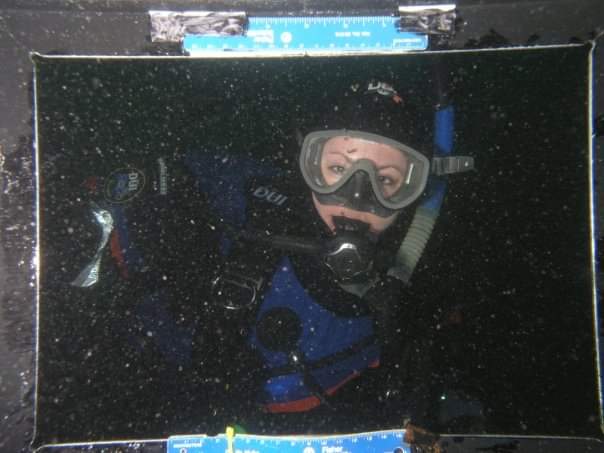
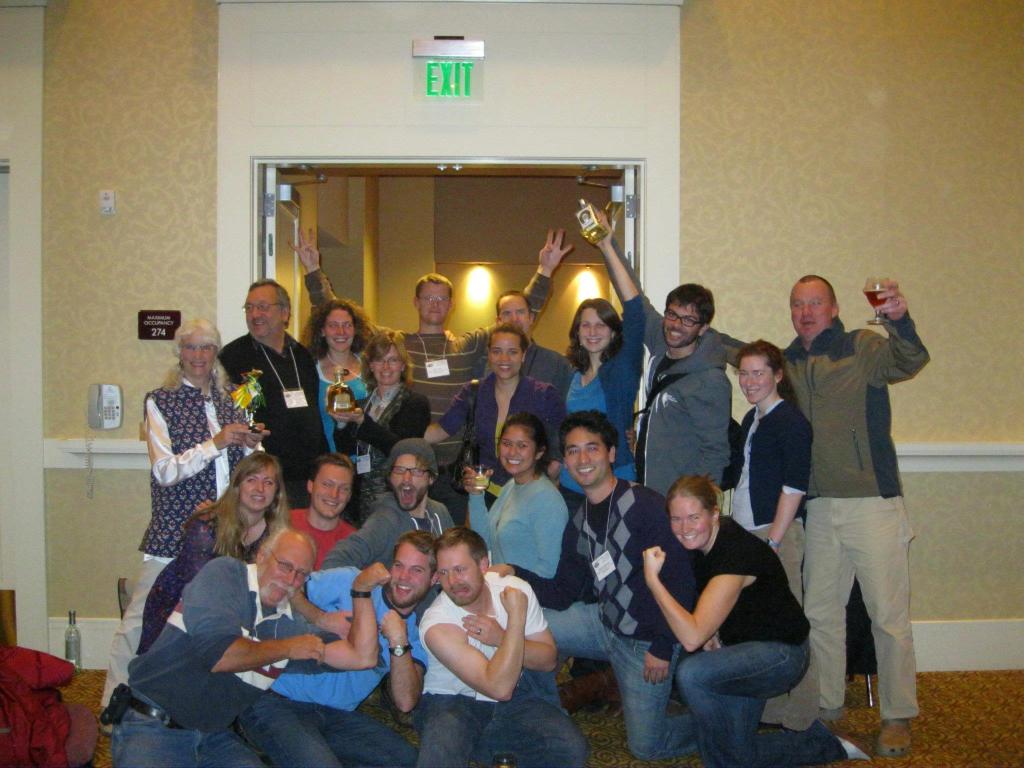
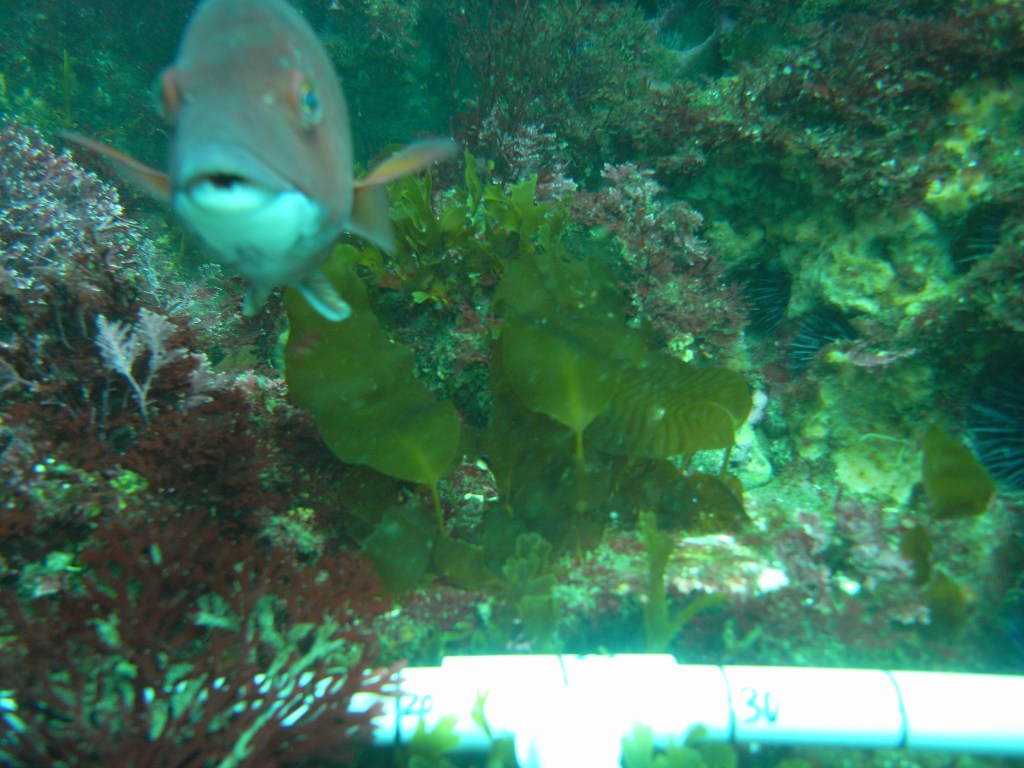
After 3 years in the San Juan Islands, I joined the lab of Dr. Matthew Edwards at San Diego State University as a MSc. student in Biology. Here I studied how recruitment density affect the survival of Juvenile Giant Kelp (Macrocystis pyrifera) in the Point Loma Kelp forest. Check out the videos at the bottom of my Connect page to see more!
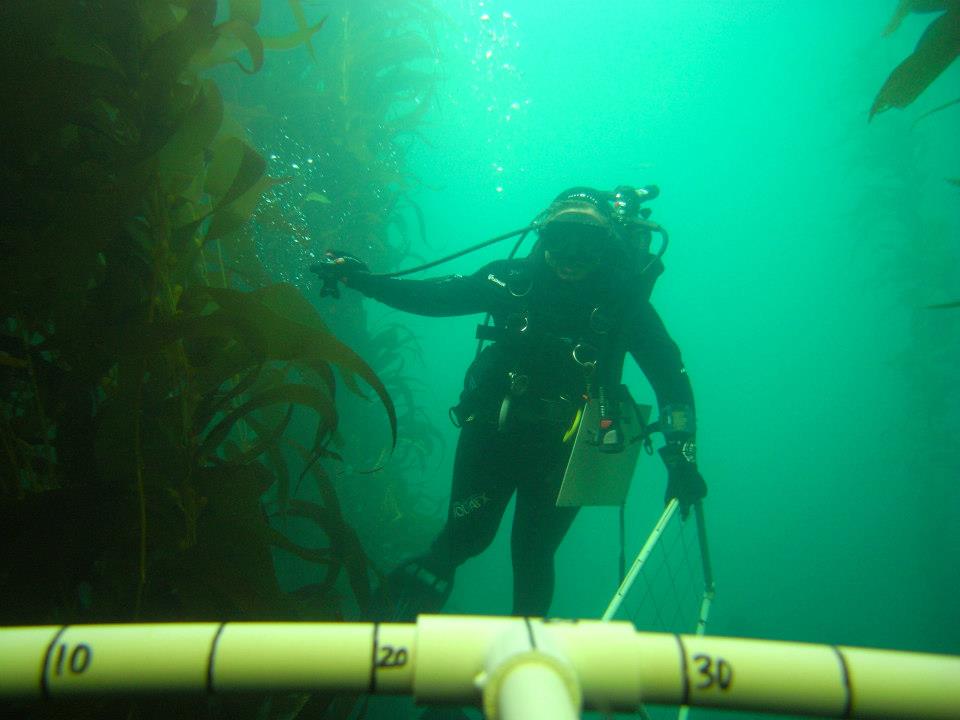
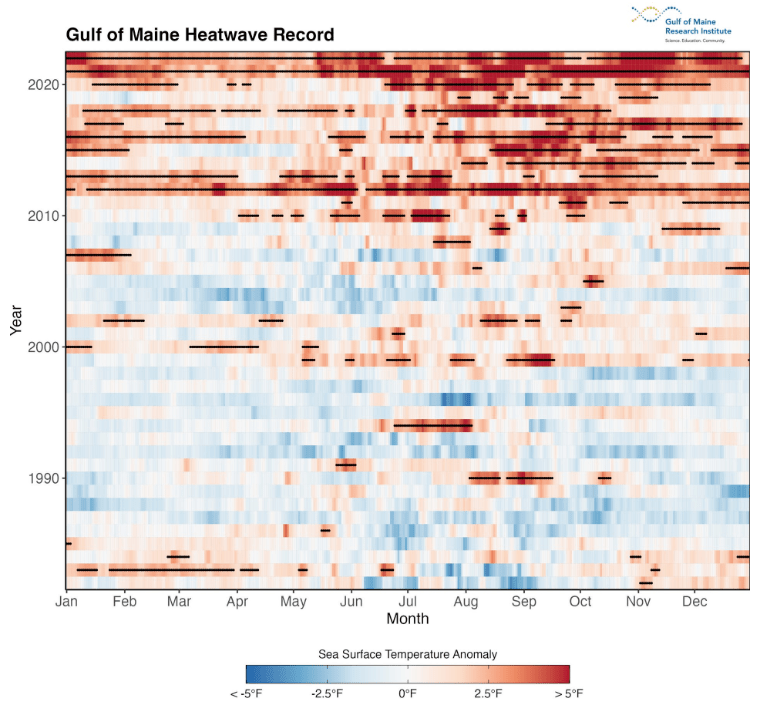
In 2015, (before officially submitting my Masters thesis!) I moved to New England to begin my PhD at the University of Massachusetts Boston in the lab of Dr. Jarrett Byrnes (and also to be closer to my beloved Boston Celtics). The kelp forests of southern California were lovely, but here I returned my focus to my first underwater love of sessile invertebrate-dominated subtidal rock wall communities. I got here just in time for the Gulf of Maine Research Institute’s discovery of how fast the Gulf of Maine was warming!
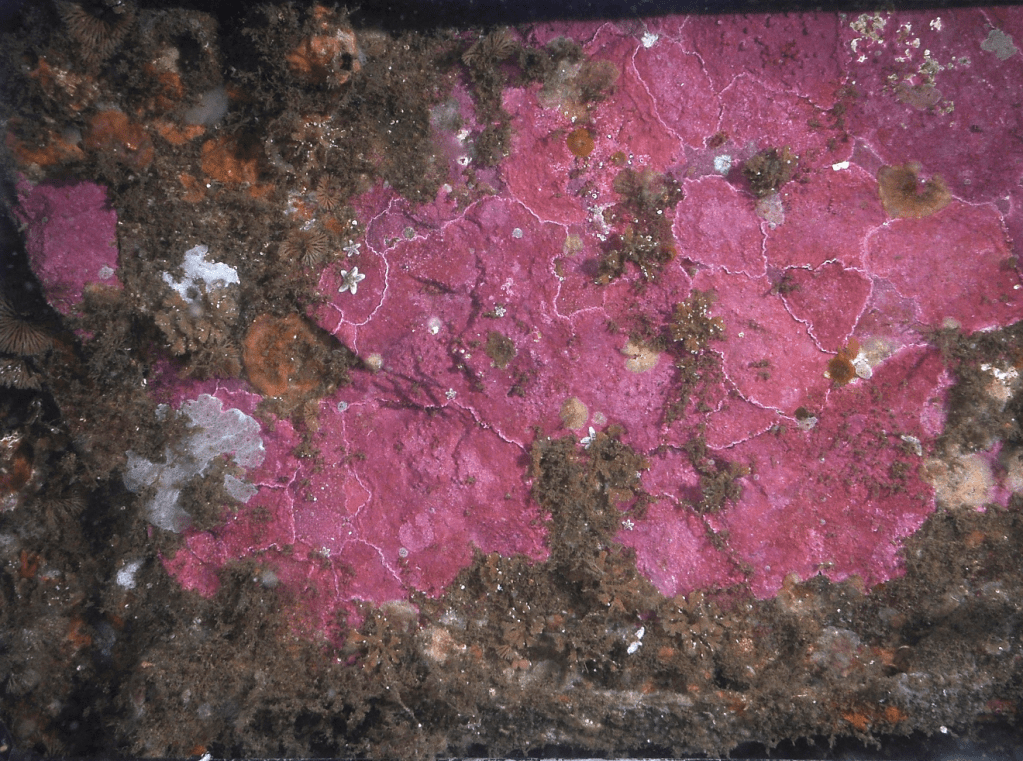
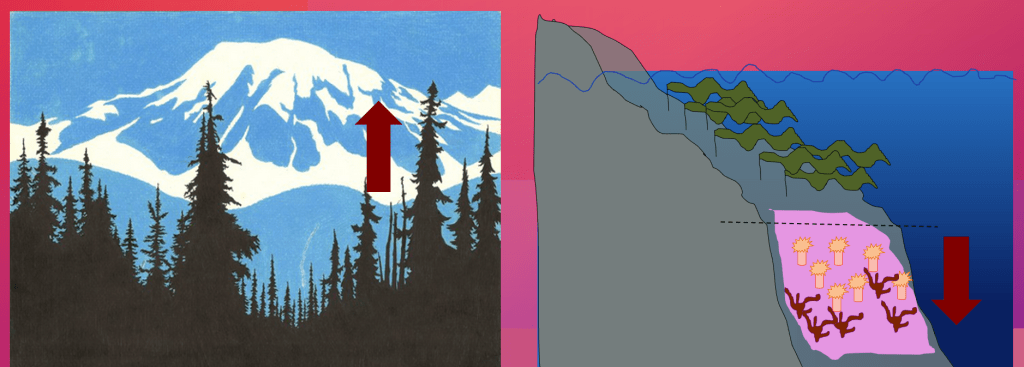
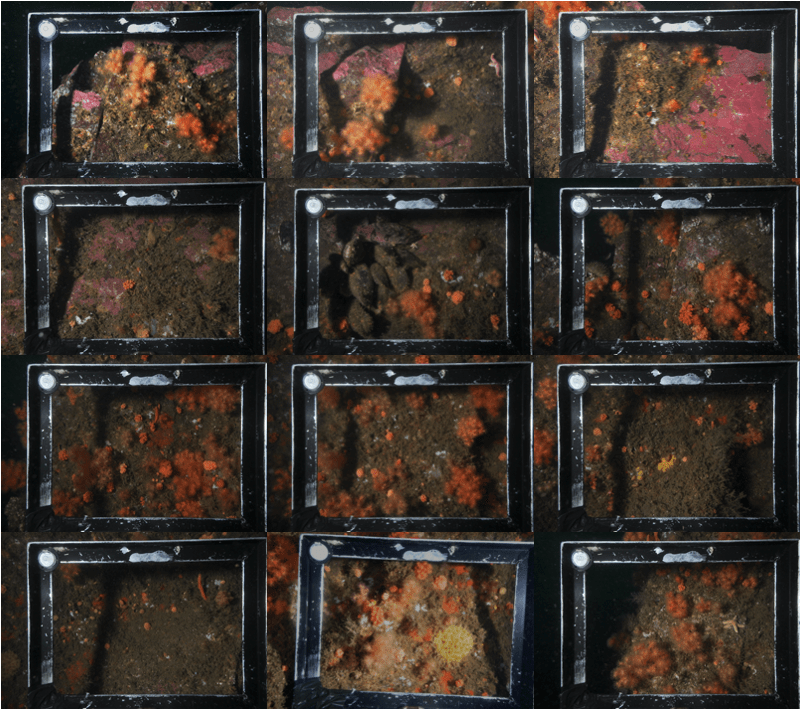
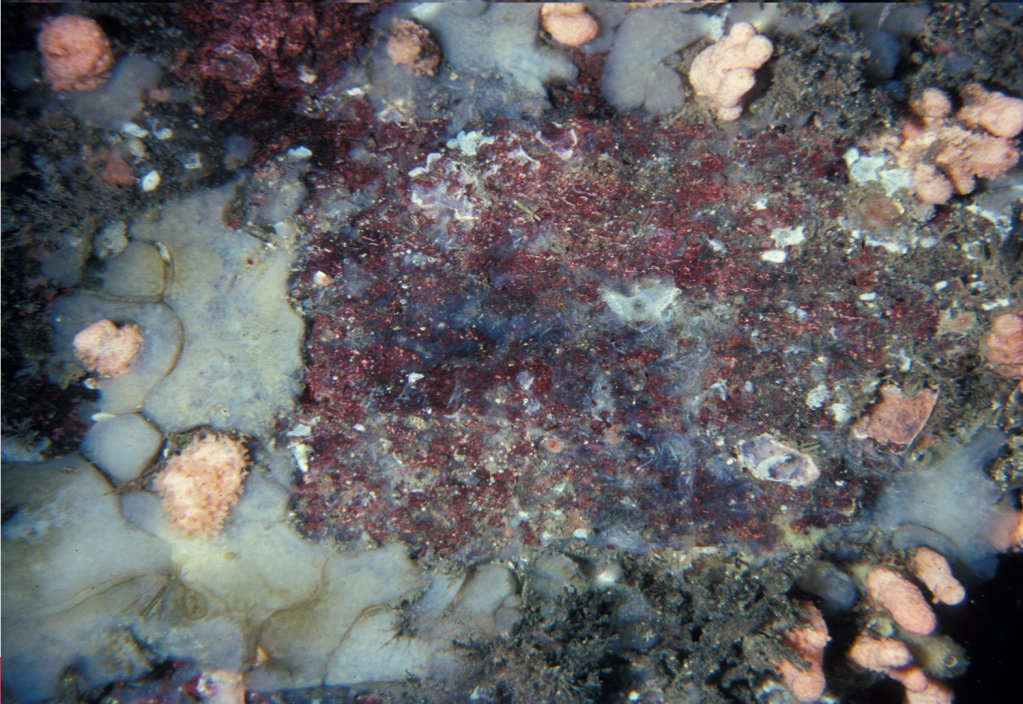
For my PhD, I am looking at how diversity hotspots in the Gulf of Maine, namely subtidal rock wall communities, are responding to rapidly warming ocean temperatures. I am using a 30+ year dataset of images taken between 9-28m in depth to see if populations are shifting into deeper colder water. Perhaps you’ve heard of the Mountain top hypothesis, where species and populations are seeking out higher altitudes where the temperatures are cooler? I am testing out whether or not there is an ocean basin equivalent, a Depth Refuge Hypothesis! Myself and a small army of undergraduates are also using this long-term dataset derived from the photographs to see if thermally-tolerant species have began replacing more thermally-sensitive ones. We are using AI to process the photos then we will use Generalized Linear Latent Variable Models (GLLVMs) to see how the community of rock wall organisms has changed in response to the warming waters of the Gulf of Maine, and Salem Sound in particular.
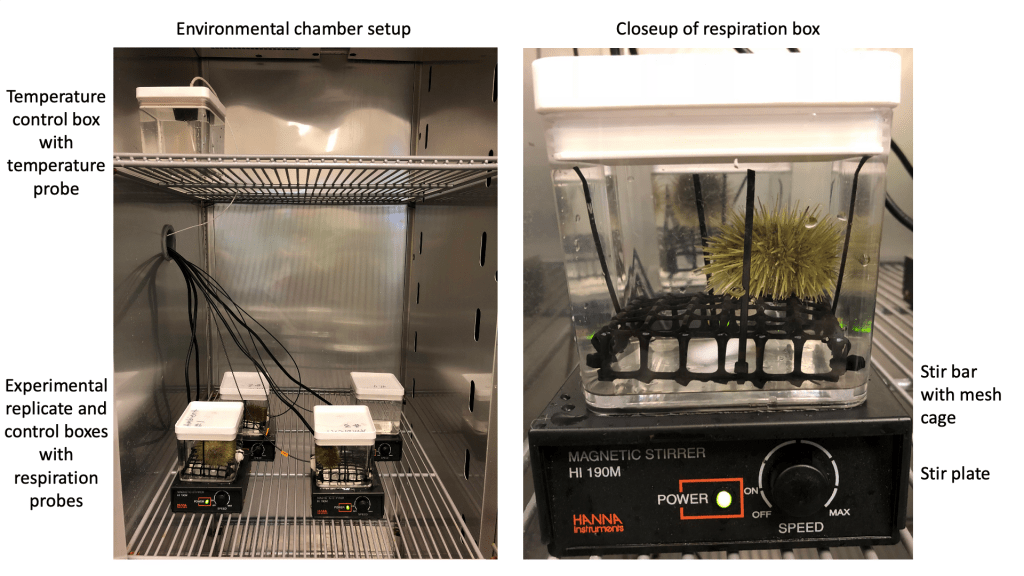
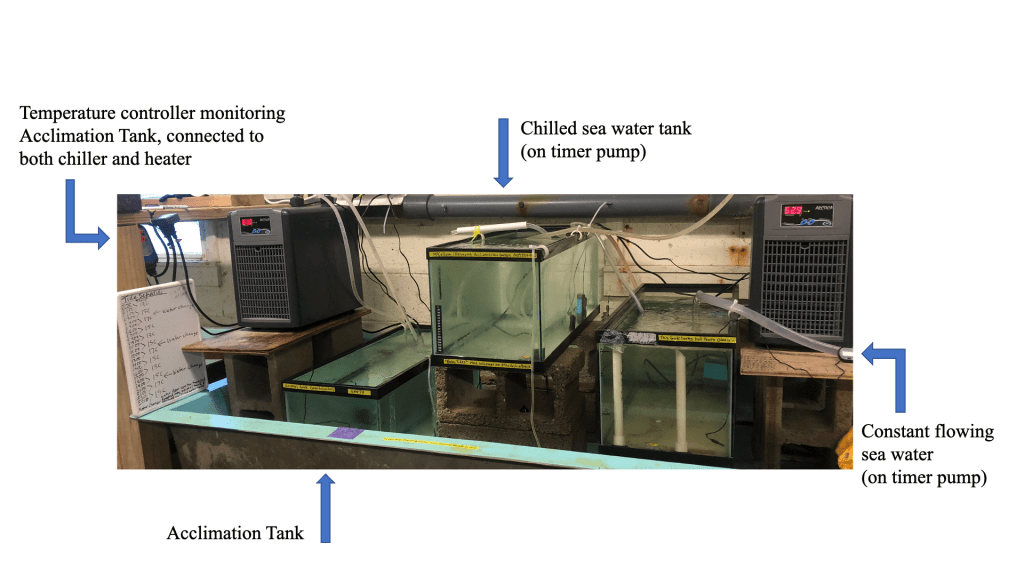
I also conducted a respiration experiment using the voracious (cosmopolitan) grazer, the green sea urchin (Strongylocentrotus droebachiensis) to see if the rapid temperature fluctuations associated with summer heat waves increases their metabolic demands (it does, and after just 3 days they NEED to eat!). A crucial part of this experiment was nailing the process of acclimation prior to my experimental trials. These urchins were collected from a thermally dynamic environment dependent on temperature fluctuations due to air temperature and tides in addition to currents, storm surge, upwelling/downwelling. I replicated these conditions in a mesocosm my REU student Daniela and I designed using the flow-through sea water system at Northeastern University’s Marine Science Center, chillers, a heater, sprinkler timers, and homebrew equipment. We named her named Baby Tides!
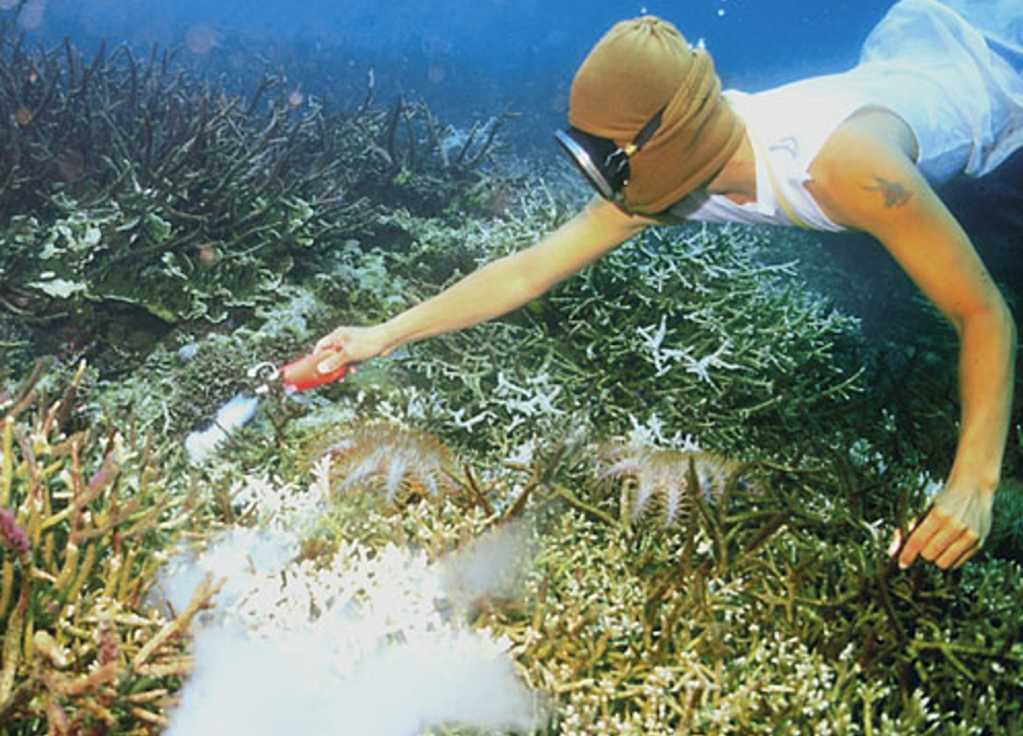
I conducted an independent research study as an undergrad that looked at awareness of the human health and environmental costs of the marine aquarium fish trade among hobbyists. This research led to my first conference talk and my first publication, McCollum, 2007.
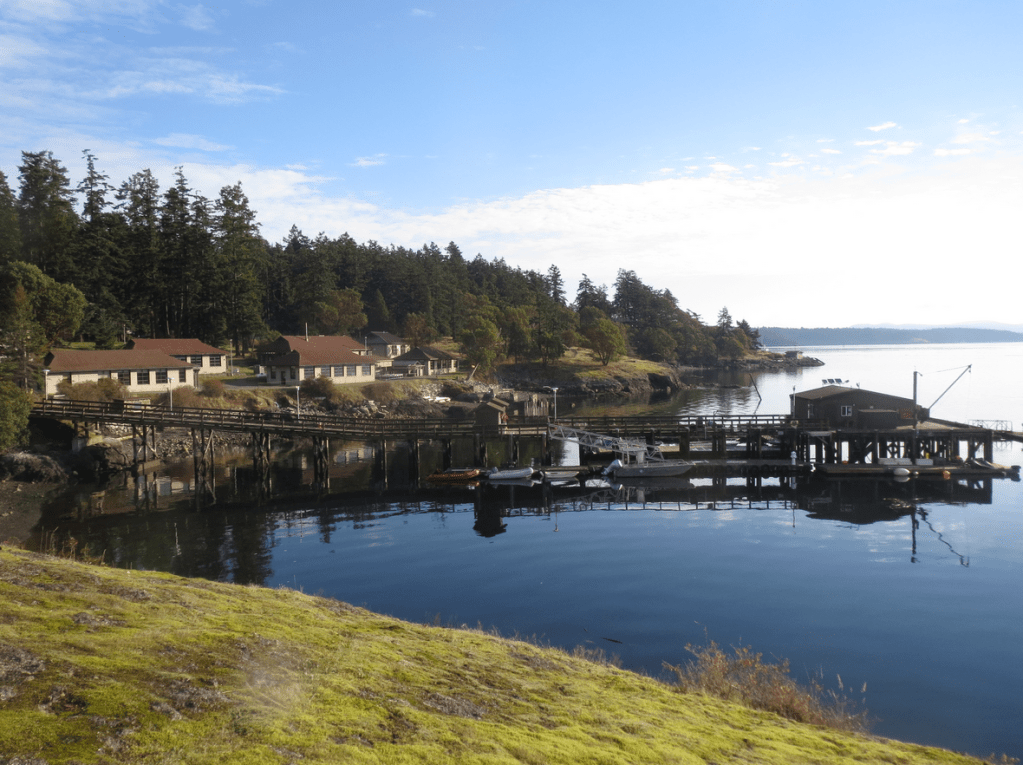
After graduating from UW in 2008, my PNW diving experience and knowledge of the the local flora and fauna landed me the position of Research Technologist for Dr. Kenneth Sebens at the Friday Harbor Labs. There I worked on Dr. Sebens’ long-term monitoring project in Massachusetts, while setting up a similar long-term monitoring project in the San Juan Islands of Washington state. I also assisted FHL graduate students and researchers with their research diving needs and even filled in as the lab’s Assistant Diving Safety Officer.
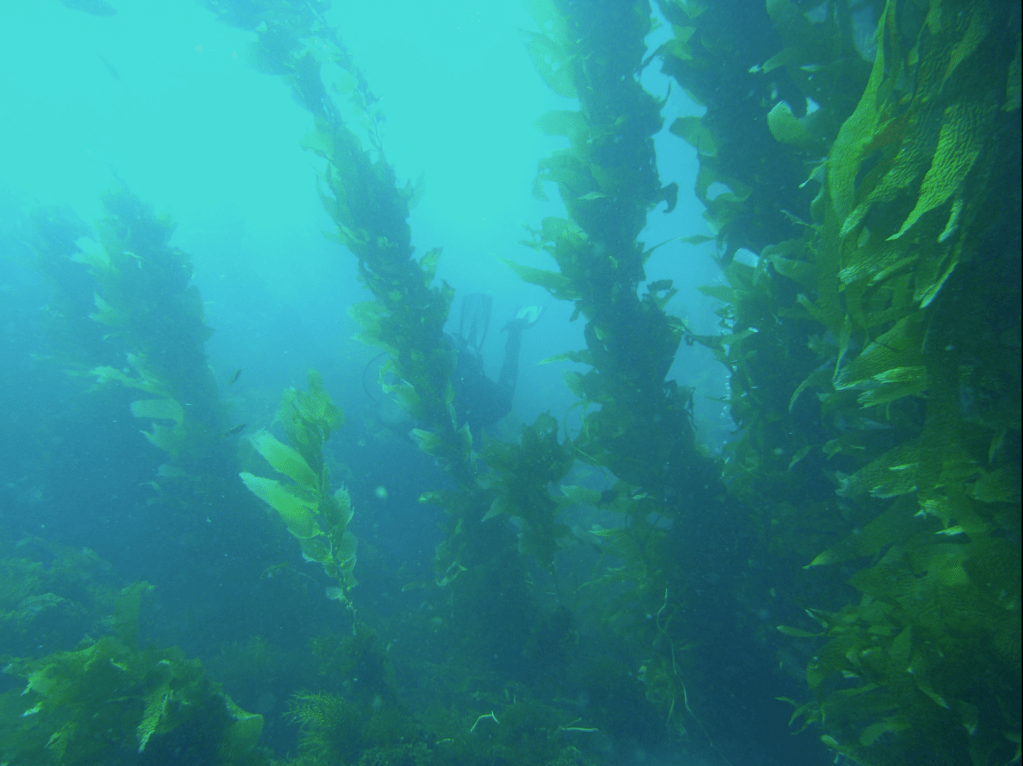
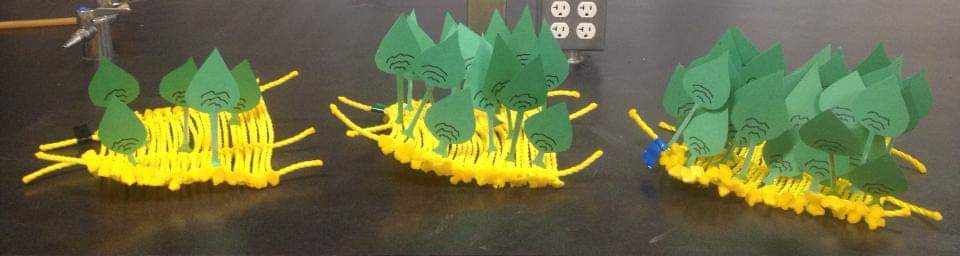
My thesis involved an observational study following the survival of marked patches of juvenile M.pyrifera often living in close proximity to other species of kelp. I also created my own patches of juvenile M.pyrifera at an adjacent site. In these patches, I experimentally manipulated the density of giant kelp and excluded all other species of algae. I had patches of high, medium and low density for both small juveniles (<5cm) and large juveniles (~1m).
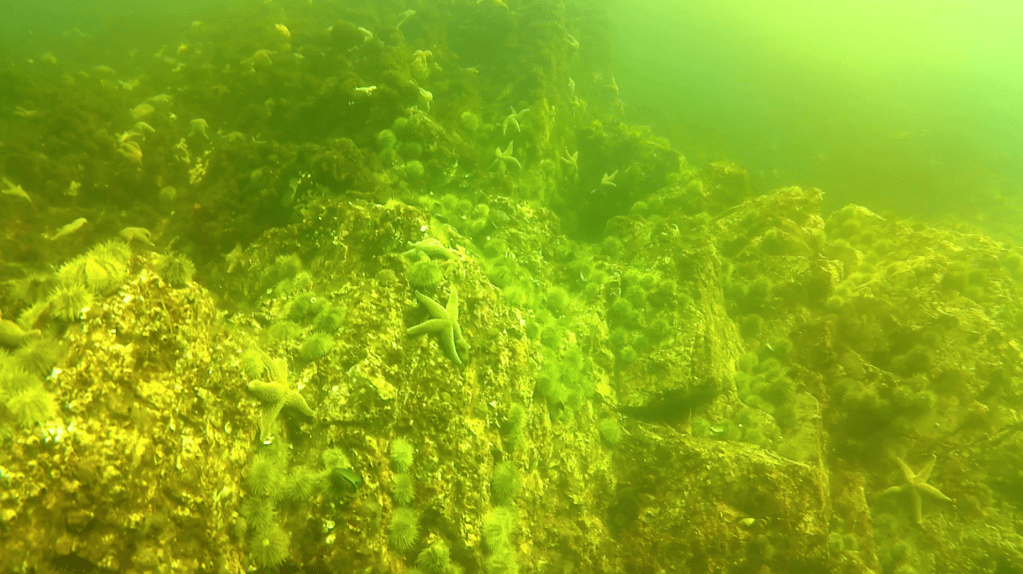
Look at these urchins ready to chow down on everything in site!
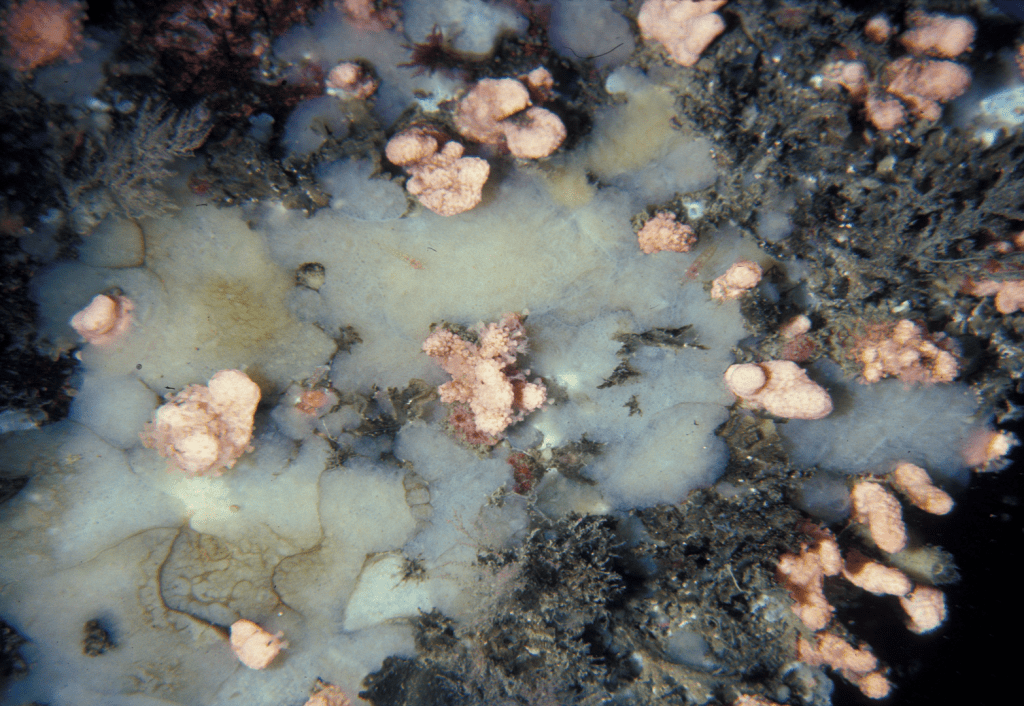
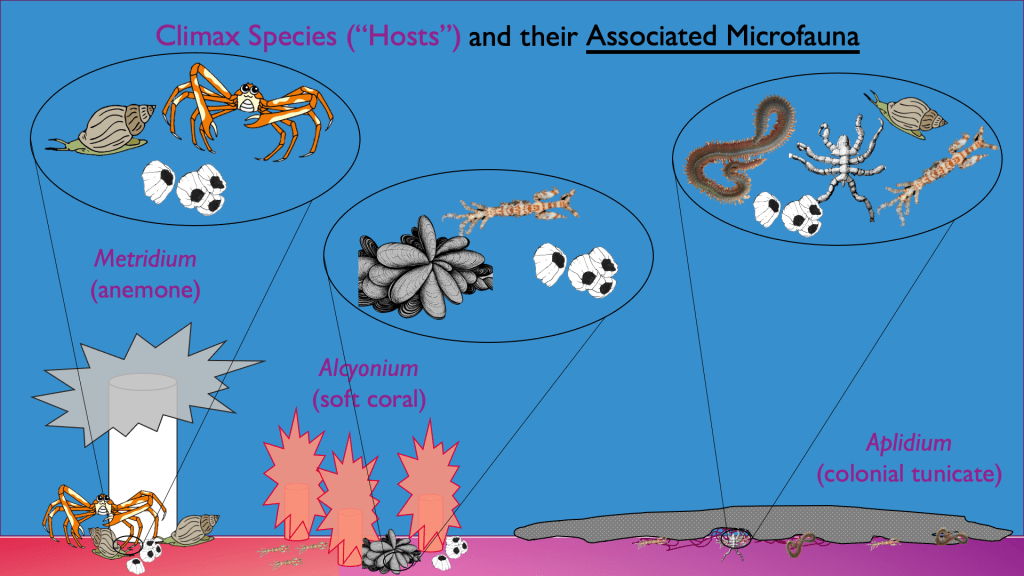
For the final chapter of my PhD Dissertation, I repeated a field experiment from the 1980s that removed via suction-sampling 15cm x 15cm haphazardly placed slices of the sessile invertebrate community down to the bare rock below, including all of the microfauna that lived in and among the layers of organisms found there. Everything scraped off the wall into the suction-sampler/underwater vacuum cleaner, was then preserved in ethanol, then brought back to the lab to identify, count, and compare to the same data collected 40 years ago! In the 1980s, the rock wall community was dominated by the plumose anemone Metridium senile, the soft coral Alcyonium digitatum, and the colonial ascidian Aplidium glabrum. However today, Metridium and Alcyonium are extremely rare at the depths they proliferated at 40 years ago (possibly due to increased temperature?). This experiment is looking to see what their disappearance means for the associated microfauna “fish food” that lived in and around them.

Chapters 1, 2, and 4 are all in prep and should be published soon! Chapter 3, my undergraduate army, our AI program, and I are tackling this spring and summer. Stay tuned for updates!
 Breck Alyssa Mccollum